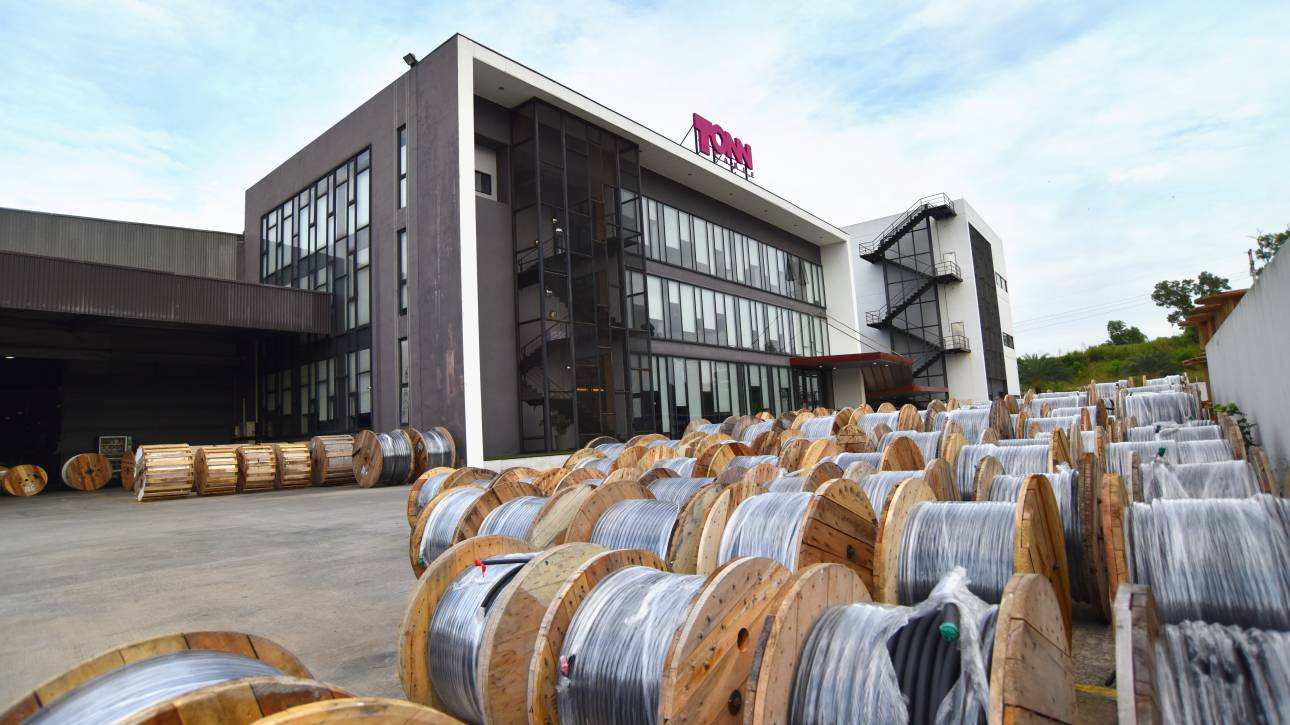
Cable drums are designed to safeguard cables from harm and to keep them organized for future use. Below, we have outlined some tips for handling and storing drums, as we use these practices in our factory and warehouse.
Proper handling and storage of cable drums is crucial to avoid any damage to the cables. If cable…
Cables are designed to transport electric current in a safe and efficient manner. However, the integrity of these safety and performance objectives can be jeopardized by the presence of counterfeit cables. Such imitation products may lead to various performance issues, including a reduced lifespan, as well as serious safety risks like overheating and an elevated…
What distinguishes unarmoured cables from armoured cables?
The distinction between unarmoured and armoured cables lies primarily in the protective features of the latter. Armoured cables are equipped with an additional layer of protective armour, which serves to safeguard the cable core from potential damage. This added protection is particularly crucial in environments where the cable…
Electric cable conductors require insulation from other conductors and the surrounding environment to avoid short circuits. This is achieved by extruding an insulating layer around the conductor.
In this discussion, we focus on Polyvinyl Chloride (PVC) and Crosslinked Polyethylene (XLPE), which are the two predominant insulation materials utilized in the cable industry.
Why opt for PVC Insulation?…
In summary, if you have acquired a cable that meets international standards and has been installed indoors following the appropriate guidelines, you can typically anticipate that your cables will have a lifespan designed to last at least 20 to 30 years.
What factors can influence the lifespan of a cable?
Numerous operational and environmental factors can…
What role does cable insulation play?
Cable insulation serves as a crucial protective layer for the conductors within cables. It is designed to be non-conductive, effectively preventing electrical leakage, ensuring that conductors do not come into contact with one another, and safeguarding the conductor from environmental hazards such as heat, moisture, and chemicals. Inadequate…
The conductor resistance (CR) test is fundamental yet crucial in the quality assessment of cables. This test serves to confirm whether the quantity and quality of the conductor material within a cable meet the necessary standards.
The CR test is conducted on either a full-length cable or a sample measuring at least 1 meter, in compliance…
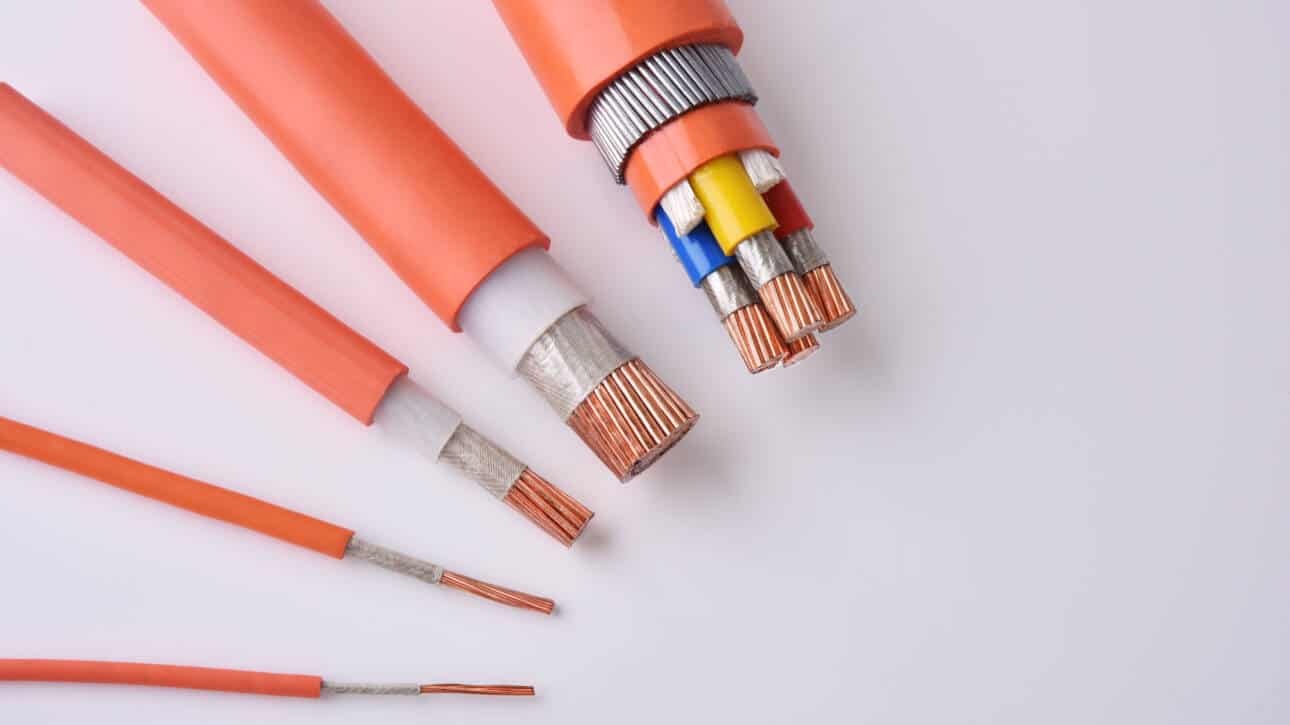
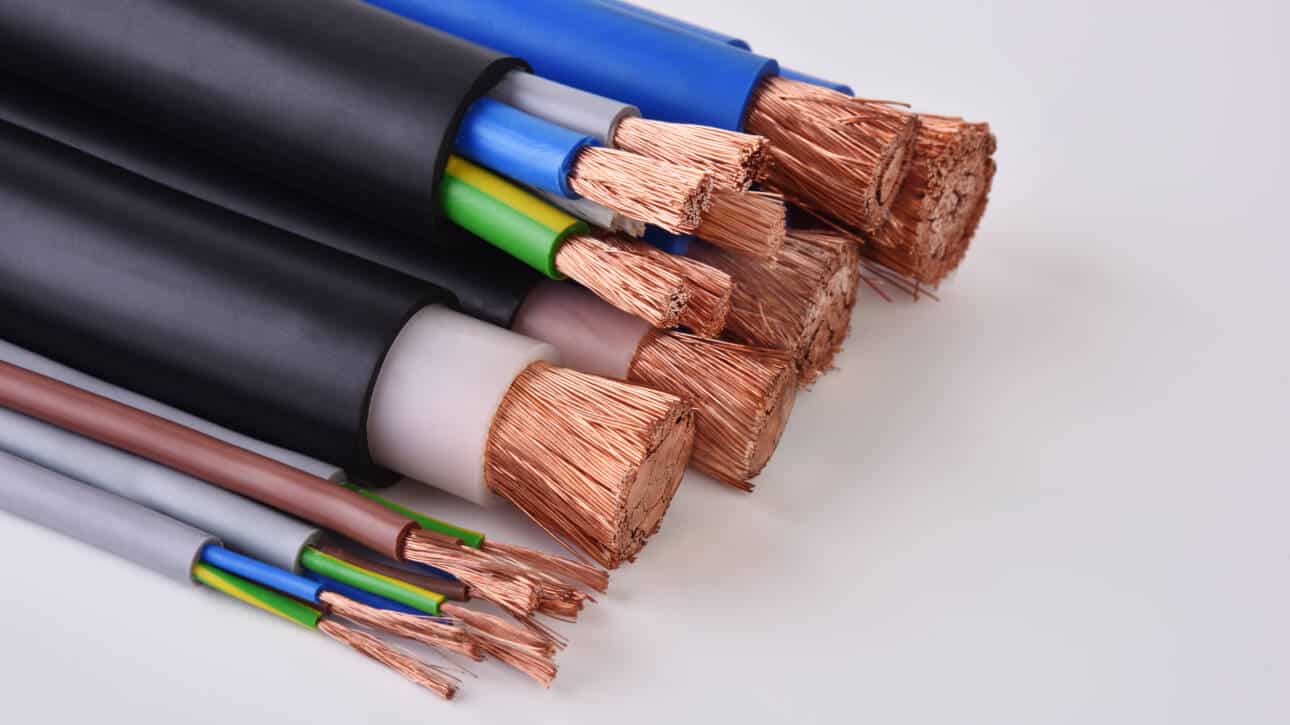
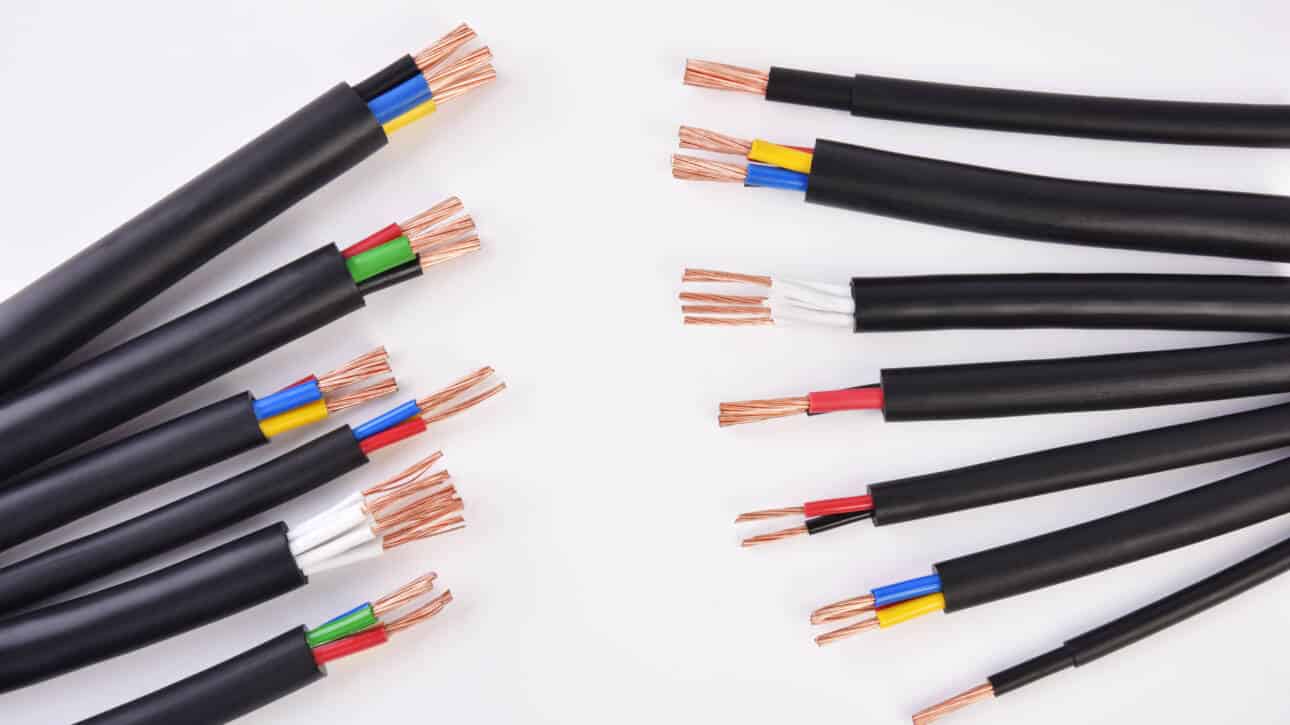
A cable conductor is the main element of electrical cables. It pertains to the metal wire or wires that transmit the electrical signal within the cable.
In this section, we explore the four distinct categories of Copper (Cu) conductors: Class 1, Class 2, Class 5, and Class 6.
What is the reason for the various categories?
Copper…